
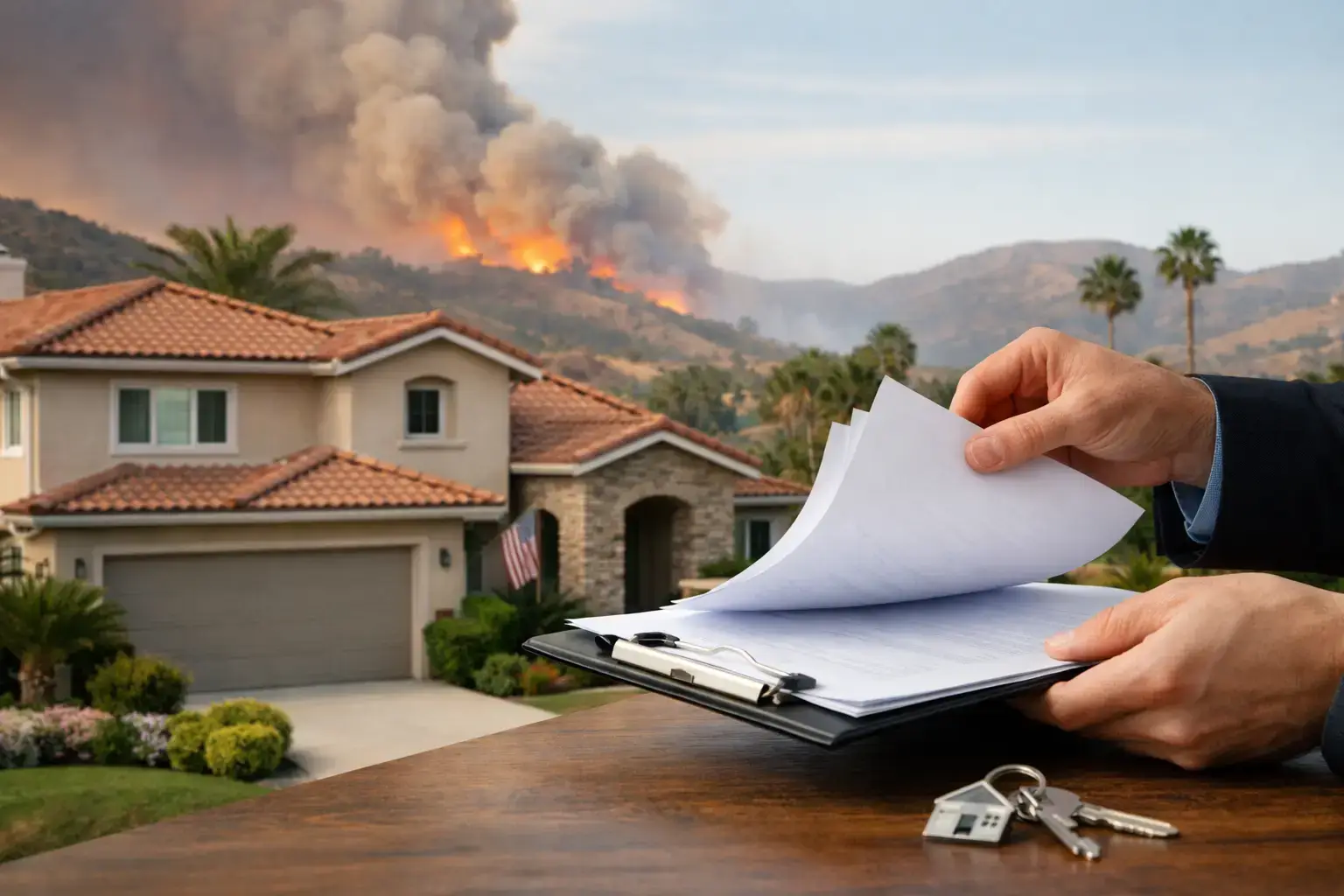
A non-renewal letter can feel personal, especially when you have paid on time, kept up your home, and never filed a major claim. That is why so many California property owners are asking, why are California insurers dropping homeowners if those homeowners have done everything right? The short answer is that this is less about one person and more about a statewide insurance market under serious pressure.
What changed is not just wildfire risk. It is the combination of catastrophic losses, rising rebuilding costs, reinsurance pressure, regulatory constraints, and insurers trying to limit the amount of exposure they carry in certain parts of California. For many homeowners, that means fewer options, higher premiums, and in some cases, a sudden scramble to replace coverage.
Why are California insurers dropping homeowners right now?
Insurance companies make decisions based on risk across an entire book of business, not only on whether one home looks well maintained. In California, that broader risk picture has become much harder to manage.
Wildfire is the issue most people think about first, and for good reason. Large fire losses have changed how carriers evaluate neighborhoods, ZIP codes, brush proximity, evacuation routes, and even how quickly a fire department can respond. A home does not need to have burned before to be seen as part of a higher-risk concentration.
But wildfire is only part of it. The cost to rebuild homes has climbed sharply because labor, materials, and contractor demand have all increased. When the cost to replace a home rises, insurers face larger potential payouts. At the same time, many carriers buy reinsurance, which is insurance for insurance companies. That protection has become more expensive, especially in catastrophe-exposed states like California.
There is also a business reality behind many non-renewals. If a carrier believes it has too much exposure in one region, it may reduce the number of policies it writes or renews there, even if some of those homes are relatively well protected. From the homeowner’s side, that can feel arbitrary. From the carrier’s side, it is portfolio management.
The main forces behind non-renewals
One major factor is concentration risk. If an insurer has too many homes insured in areas vulnerable to wildfire, severe wind, or other catastrophe losses, one event can create a very large financial hit. Carriers often respond by pulling back from entire areas instead of reviewing every property on a purely individual basis.
Another factor is regulation. California has a unique insurance environment, and rate approvals do not always move at the same pace as loss trends. When insurers believe they cannot price policies adequately for the risk they are taking on, some decide to slow new business, tighten underwriting, or non-renew certain homes. That does not mean consumer protections are bad. It means the market can become strained when costs rise faster than rates.
Property condition also matters more than many homeowners realize. Older roofs, aging electrical systems, deferred maintenance, tree overhang, brush clearance issues, or prior water losses can all affect eligibility. In a softer market, a carrier might have been more flexible. In the current market, underwriting standards are often tighter.
Claims history can be another trigger, even when the claims were not catastrophic. Multiple water claims, recurring issues, or a pattern of smaller losses may signal future exposure. A homeowner may see those claims as reasonable uses of the policy. An insurer may see a higher likelihood of continued loss activity.
It is not always about your house alone
This is one of the hardest parts for homeowners to hear. You can have a newer roof, good updates, and no claims, and still receive a non-renewal. That happens because insurers are not only underwriting your address. They are managing wildfire models, regional exposure, capital requirements, and profitability across California.
That is also why neighbors can have very different experiences. One company may still want a certain type of home in your area, while another may stop writing there altogether. One carrier may be comfortable with a brush-zone property if the home has defensible space and updated construction. Another may decline that same risk because its internal capacity in that ZIP code is already full.
What insurers are looking at more closely
When companies reassess California homeowners coverage, they are paying close attention to roof age and condition, wildfire scoring, vegetation distance from the home, slope, access roads, prior claims, and replacement cost. They may also review whether the home has updated plumbing, electrical, and heating systems.
For higher-value homes, insurers often look even more carefully at replacement cost accuracy and whether policy limits reflect current construction pricing. If limits are too low, a homeowner may be underinsured. If the insurer believes the risk is complex or the rebuild cost is significant, standard market options may narrow quickly.
In some cases, inspection reports are driving decisions after policy issuance. A homeowner may bind coverage, then receive a follow-up request for repairs or vegetation cleanup. If the requested work is not completed on time, the policy may be canceled or not renewed later.
What homeowners can do after a non-renewal
The first step is to act early. Do not wait until the last week before the policy ends. California’s market is tighter, and some options take more time to review, quote, and place.
Start by reading the non-renewal notice carefully. The reason listed matters. If it mentions property condition, inspection findings, or underwriting concerns, address those issues as quickly as possible. Photos, contractor invoices, roof certifications, and proof of updates can make a real difference when shopping for replacement coverage.
Next, gather key details before requesting quotes. You will usually need the year built, square footage, roof age, updates to electrical, plumbing, and HVAC, prior claims history, and your current dwelling limit. If you have had any recent inspections or mitigation work done, keep that documentation ready.
This is also the time to review whether your current policy limits still make sense. Many California homeowners are surprised to learn their replacement cost needs have changed. A lower premium is not a win if the dwelling limit is not enough to rebuild after a major loss.
When the FAIR Plan enters the conversation
For some homeowners, especially in higher-risk wildfire areas, the standard market may be limited or unavailable. That is where the California FAIR Plan may become part of the solution.
The FAIR Plan is often a backstop option for property owners who cannot secure traditional coverage. It can help provide basic fire insurance, but it is not the same as a broad standard homeowners policy. In many cases, homeowners also need a separate difference in conditions policy to help fill in gaps for perils like liability, theft, or water damage, depending on the setup.
That means the FAIR Plan can be helpful, but it is not always simple or ideal. Coverage structure, limits, and cost all need careful review. Homeowners should understand what is covered, what is not, and how the pieces fit together before assuming they are fully protected.
Why independent guidance matters more in this market
When the market is stable, many people shop only on price. In California’s current environment, strategy matters more. The right fit may depend on your location, roof age, claims history, home value, and whether you need layered coverage options.
An independent agent can compare carriers, explain underwriting differences, and help position your application more effectively. That is especially valuable if your home has a higher wildfire score, recent updates, unique features, or a non-renewal already on record. Safe is Better works with California consumers who need that kind of practical guidance, particularly when standard coverage gets harder to find.
The goal is not just replacing a policy quickly. It is making sure the replacement actually protects your home, your liability exposure, and your financial security.
What to expect going forward
Many homeowners want to know whether this problem will pass soon. The honest answer is that it depends. California’s insurance market may improve in some areas over time, but underwriting is likely to remain more selective than it was years ago. Wildfire modeling is not going away, and rebuilding costs are still a major issue.
That said, homeowners are not powerless. Keeping your property in strong condition, maintaining defensible space, updating old systems, documenting improvements, and reviewing coverage before renewal all put you in a better position. So does getting advice early, before a non-renewal becomes an emergency.
If you are asking why are California insurers dropping homeowners, the most useful next question is this: what can I do now to improve my options? In this market, preparation matters. A calm review today can prevent a much more stressful coverage gap later.